
California families can't afford higher grocery bills!
Beginning as soon as next month, SB 54 — California’s 2022 Extended Producer Responsibility (EPR) law — will begin imposing new compliance costs and fees on food manufacturers. Those costs will ultimately be passed on to consumers through higher prices at the grocery store, fewer product choices and reduced California manufacturing jobs.

For many food manufacturers, redesigning packaging is not a realistic option. Food safety requirements, product shelf life and specialized production equipment limit what packaging can be used. Businesses are left with an impossible choice: raise prices for consumers to pay for the millions of dollars in new compliance costs or reduce California operations and the jobs that depend on them.
Few industries illustrate these challenges more clearly than California's dairy processors.
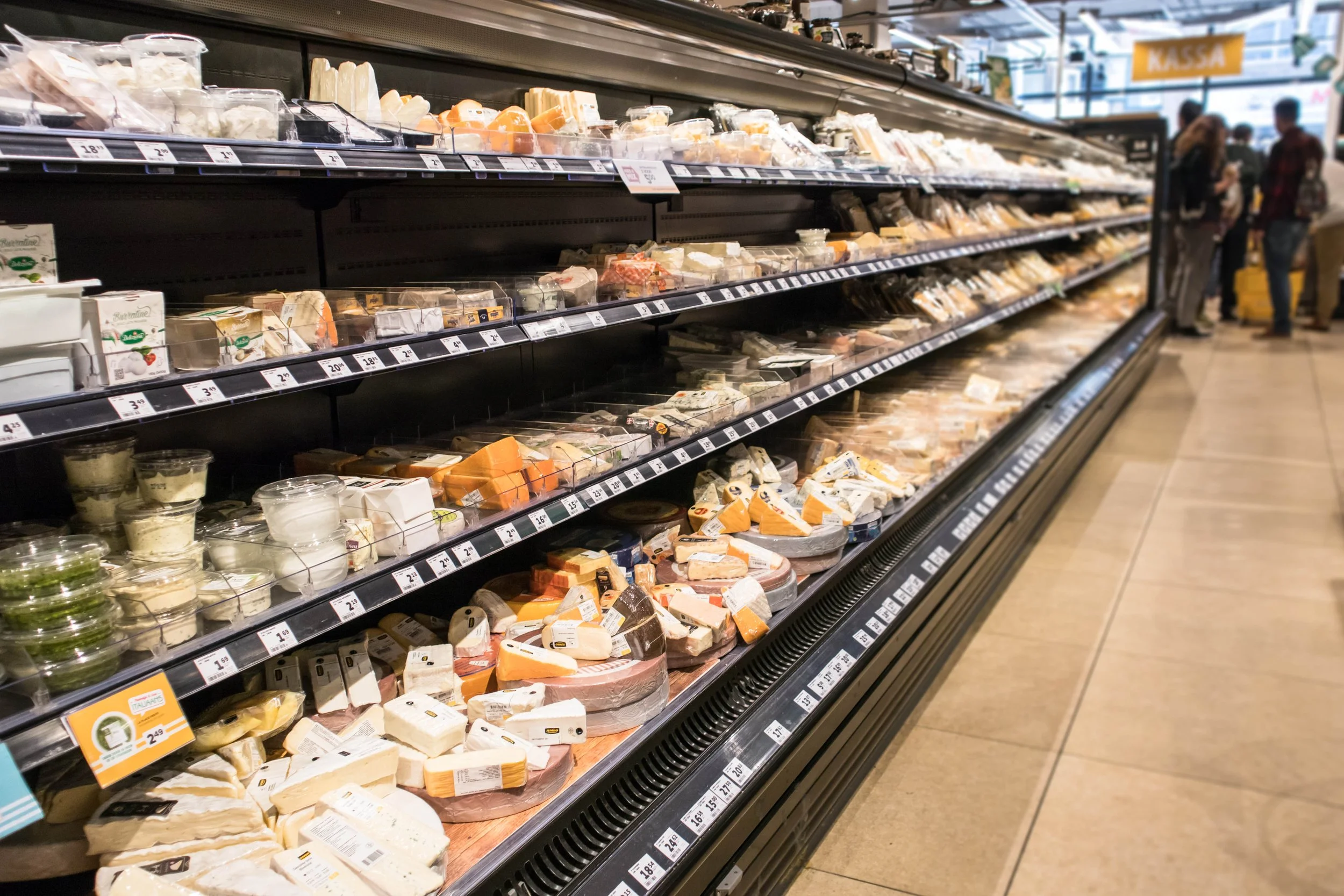
California is the nation's leading dairy-producing state, supplying nutritious and affordable products to families across the country. But many dairy products rely on packaging that is essential for food safety, freshness, shelf stableness and product integrity. Milk bottling facilities would face multimillion-dollar investments to convert existing packaging systems to manage and reuse glass bottles, while many cheeses depend on flexible plastic films that currently have no commercially viable recyclable alternative. Under the current implementation timeline, these products could become increasingly difficult or even impossible to manufacture in California.
The financial impacts are substantial. Individual dairy processing facilities could face compliance costs reaching up to $15 million, threatening jobs, investment and the long-term competitiveness of one of California's signature agricultural industries. Those costs will not stop at the processing plant, they will ripple throughout the food supply chain and ultimately be reflected in higher grocery bills for California families.
The Impact on Californians
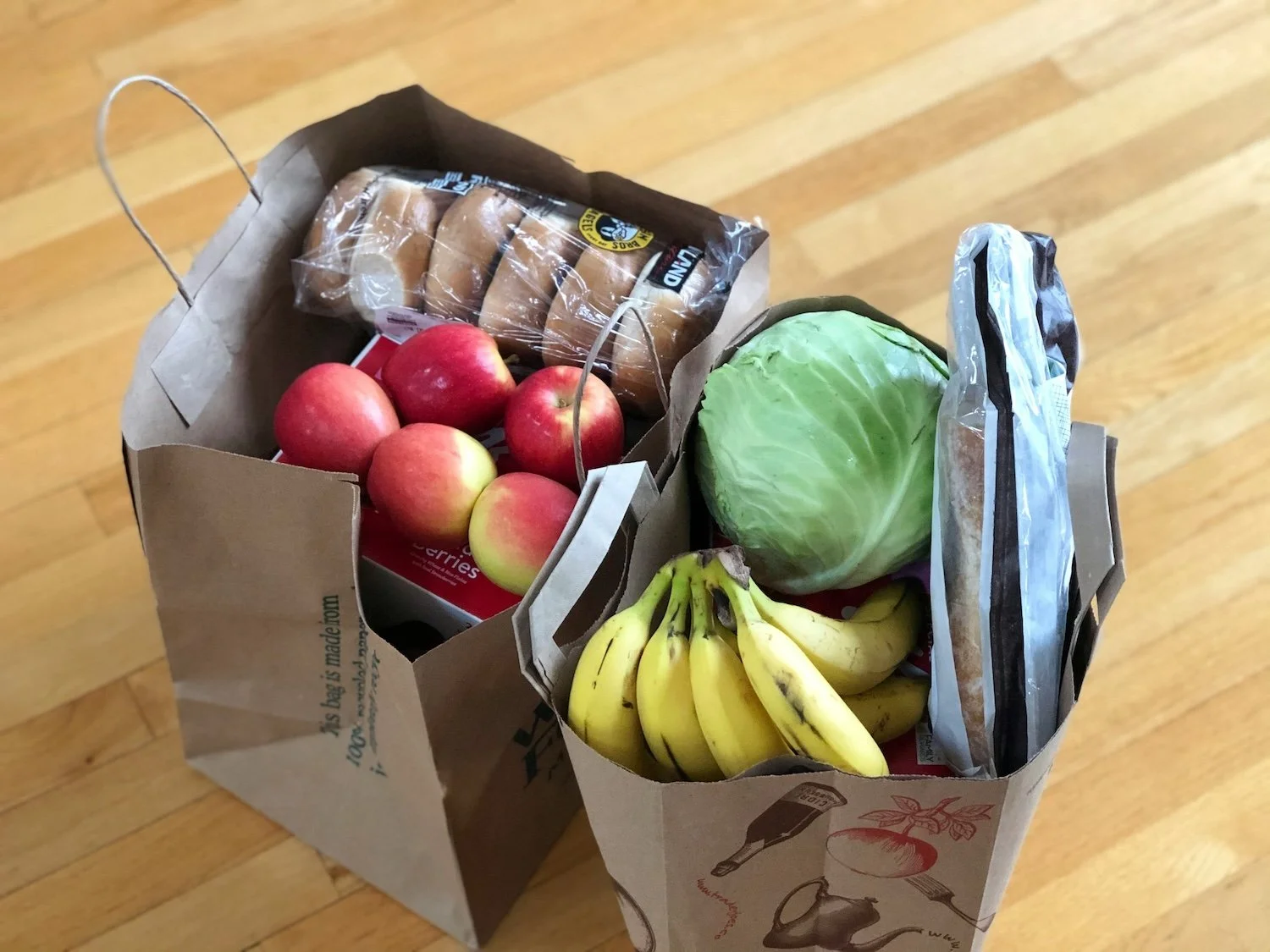
As food prices surge, more Californians are struggling with food insecurity. The California Association of Food Banks estimates that about 40% of Californians are unable to cover the cost of basic needs where they live. Affordability has become the number one issue for Californians, but their grocery bills are really hitting them where it hurts.
This issue has stretched far: new research found that 1 in 4 adults and 1 in 3 adults living with children in California experienced food insecurity. Additionally, 1 out of 5 adults in California reported their households received free food from the charitable food system, including almost a third (31%) of households earning up to 400% of federal poverty level ($132,000 for a family of 4).
Food banks in California are preparing to serve more people than ever just to keep up with the growing number of families and households who are unable to keep up with the huge financial burden that grocery shopping in California has become, but their supplies will be stretched thinner than ever before as they face higher costs from SB 54.