
Cal Recycle is putting Governor Newsom between a rock and a hard place. California consumers, already reeling from high gas, energy and housing prices, are about to get another rude awakening. Cal Recycle’s implementation of SB 54, California’s highly controversial packaging mandate, is about to become another affordability nightmare for Governor Newsom. The recently released program plan and budget will add billions more to the cost of food, groceries and other basic consumer goods in California. Invoices are expected to hit businesses in August costing food companies tens of millions of dollars each and putting increased cost pressure on groceries in California that are already among the most expensive in the U.S. Californians are already struggling to put food on their tables! The program will ultimately cost consumers between $56 billion and $78 billion by 2032, adding an estimated $1350 annually to the family grocery bill. The packaging mandate hits everything from fresh fruit and vegetables to meet, poultry and eggs…even that half-pint milk carton in every child’s school lunch. The impact will be felt not just by residents, but schools, food banks and other safety-net programs already reeling from federal cutbacks.
The Governor and legislature need to press the PAUSE BUTTON on what is yet another costly affordability crisis in the making …. BEFORE ITS TO LATE!
A Growing Crisis
The High Cost of Food in California
California, the nation's leading agricultural producer, should theoretically have some of the most accessible and affordable food in the country. Instead, it is the most expensive state for groceries in the contiguous United States, with prices soaring far beyond national averages. The rising cost of food in California is driven by regulatory burdens, labor laws, energy prices and supply chain challenges, all of which are making it harder for families to afford even the most basic necessities.

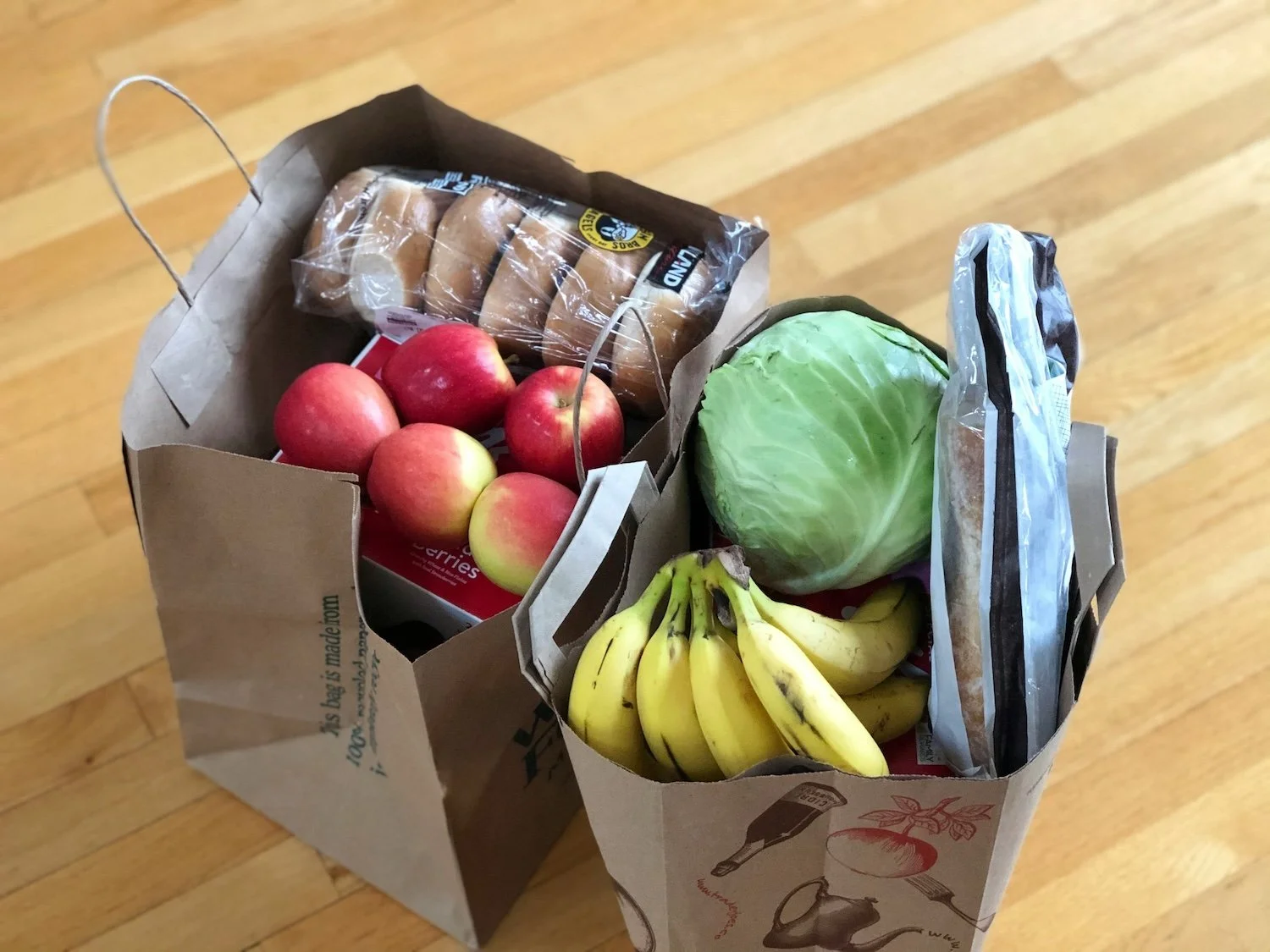
The average household in California spends $1,200 per month on groceries, nearly $300 per week, making it one of the costliest places for food in the country, according to a HelpAdvisor study that analyzed information from the U.S. Census Bureau. This is $30 more per week than the national average, placing further financial strain on families already dealing with high housing, transportation, and utility costs.
Families with children face an even bigger burden, spending 41% more on groceries than households without kids. The increasing cost of food is making it harder for parents to make ends meet, and many are turning to food banks for assistance.

While high grocery prices in Alaska and Hawaii can be explained by the need to ship food from the mainland, California’s high costs are more puzzling—especially considering it produces over half of the nation’s fruits and vegetables. In addition to high fuel and energy costs, which increase food costs at every step in the supply chain from farm to grocery store several other factors drive food costs higher:
Regulatory Costs
According to research from California Polytechnic State University, San Luis Obispo, farmers in California have faced a staggering 1,400% increase in regulatory costs since 2006, while crop values have only risen 44% in the same period. The result? Higher food prices passed down to consumers.
Labor Shortages and Costs
Farmers must comply with strict labor laws, high wages, and farmworker overtime regulations, all of which have driven up operational costs.
Environmental and Workplace Regulations
The California Air Resources Board and other agencies have imposed costly regulations on agriculture, affecting everything from water usage to pest control. These policies add significant costs that contribute to California’s high food prices.
Farm Relocations
Many farmers are moving operations out of California to other states, Mexico or South America, where costs are lower and regulations less intrusive. This shift has led to consolidation of farms, a decline in multigenerational family farms and a reduction in locally sourced food.
The Impact on Californians
As food prices surge, more Californians are struggling with food insecurity. Grocery prices have risen 28% in the past five years, a jump that matches the total increase from the 15 years before the pandemic. Grocery shopping has become a financial burden for millions.
Food insecurity is no longer just an issue for low-income households. Even middle-income earners—those earning $100,000-$150,000 per year—are increasingly relying on food banks. More than one in five Californians is food insecure and 27% of households with children struggle to put food on the table.
Food banks are now stretched to their limits, reporting record-high demand from working families who simply can’t keep up with rising costs.