
Governor-Elect Xavier Becerra:
“We have much to do, and the public made it very clear we should be focused on job one, two and three, and that is …”
“Cost of Living,
Cost of Living,
Cost of Living”!
In his first major public appearance with legislative leaders, Governor-elect Xavier Becerra reiterated what we already know: the number one issue is affordability, and California is far from it.
Governor Becerra will have his work cut out for him come January. Midterm election results revealed that voters are angry, and that anger will turn on the party in power unless they get the affordability crisis under control. While this isn't such a threat in California, legislators and the Becerra Administration should take heed. California is an increasing expensive place to live and do business, and voters know who to blame.

The results are in: voters resoundingly rejected President Trump’s war in Iran that has led to higher gas and diesel prices across the nation.
The whole nation learned how a conflict across the globe impacts their lives. Every stage of the supply chain was it, rippling into higher costs and tighter budgets for families and businesses alike. When it costs more to run the equipment that grows and processes food and transport goods from the manufacturing plant to the store, everything else gets more expensive too!
California may be the world's fourth-largest economy, but for millions of families who live here, it has never been harder to get by. When the Census Bureau accounts for what it actually costs to live in each state, California's poverty rate comes in at 17.8%, the second highest in the nation after Louisiana and well above the national rate of 13.0%. That works out to nearly 7 million Californians who can't afford basic needs like food and housing, which is more than the populations of Los Angeles, San Diego and San Jose combined. Under the government's traditional poverty measure, California looks average. Once California’s high cost of housing, taxes and everyday expenses are counted, the picture changes completely.
Jobs aren't making up the difference. California's unemployment rate was 5.1% in September, tied with Oregon for the worst in the country and nearly a full point above the national rate of 4.2%. In five Northern California counties a single-person household earning a six-figure salary of $100,000 (or slightly higher) is considered "low income". Major employers like Tesla, Oracle, Hewlett Packard Enterprise, Charles Schwab and Chevron have moved their headquarters to Texas, and the jobs and tax revenue have often gone with them. Film and entertainment jobs are leaving Hollywood. Even in the San Joaquin Valley, residents are being left behind. Once reliable food processing and manufacturing jobs are drying up as businesses can no longer afford to operate in California’s costly climate. When working families see the companies leaving and the bills piling up, the problem is hard to ignore. California has become a state where too many people work hard and still fall behind.

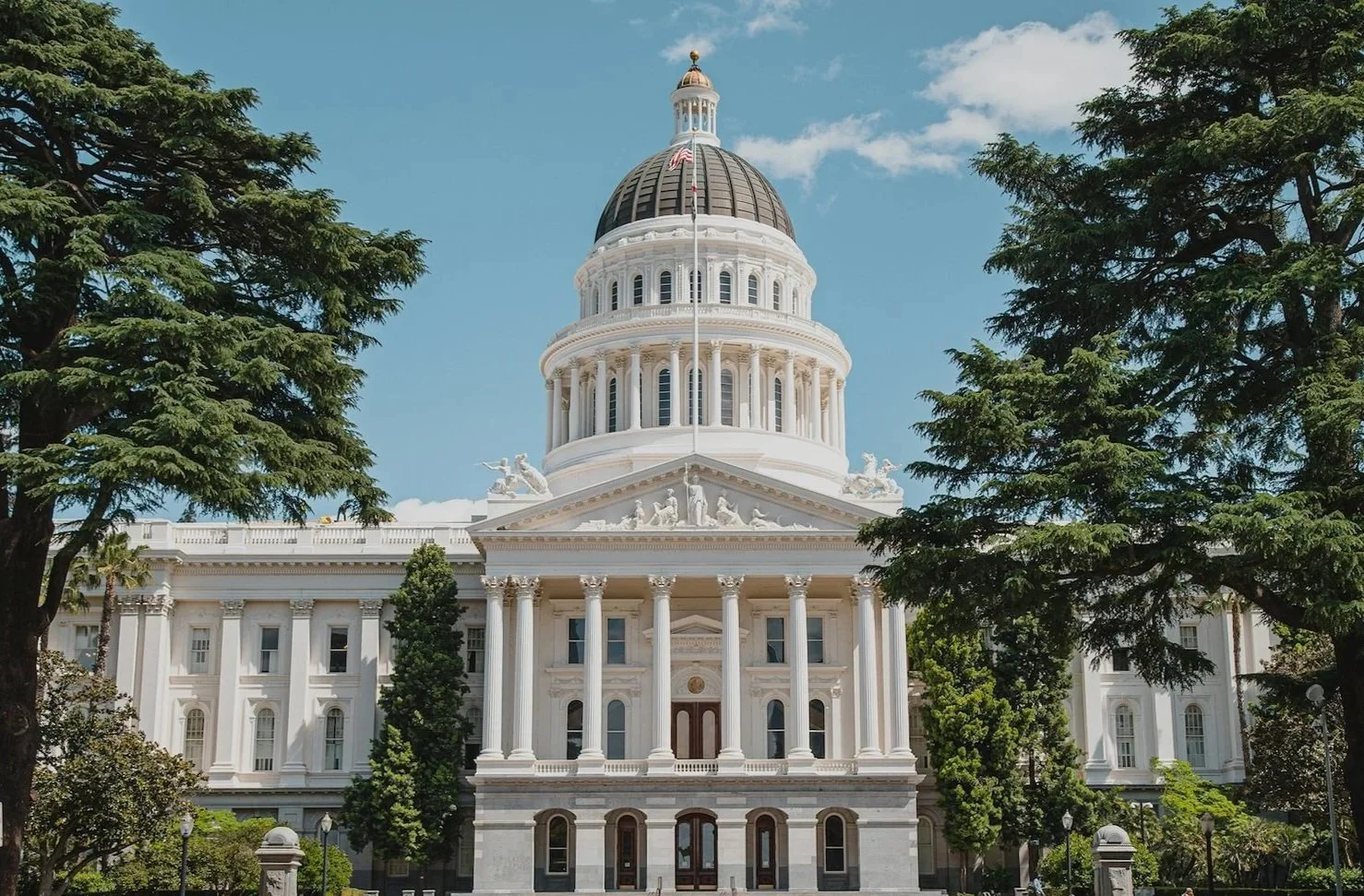
What can Sacramento do to fix the affordability crisis?
Even though the whole country is feeling financial pressure, California is the third most expensive state to live in the U.S. As much as state officials try to tout the state’s title as the “fourth largest economy in the world”, that doesn’t make things more affordable! There are steps lawmakers can actively take to reduce the price tag living in the so-called Golden State costs residents.

Electricity
California’s residential electricity rates have increased by 44% over the past five years—the highest increase of any state–and remain over twice as expensive as Western state neighbors, despite the similar wildfire risk. Regulators must rein in profit-driven utilities, review overburdensome policies and ensure ratepayers are not on the financial hook for negligence and wildfire liability.

Housing
California’s housing costs are more than double the national median, leaving many families priced out of homeownership and struggling with rent. High construction costs, lengthy approval processes and limited housing supply continue to make it difficult to build the homes Californians need. Lawmakers should streamline housing approvals, reduce unnecessary construction costs and alleviate policies that hinder new development

Fuel
California drivers pay nearly $2 more per gallon of gasoline than the national average, in part because of the state’s highest-in-the-nation fuel taxes, fees and unique fuel requirements. These costs affect more than commuters: they raise the price of moving food, goods and services throughout the state. Lawmakers must reduce unnecessary fuel costs, improve supply reliability and reconsider policies that widen California’s price gap.

Groceries
California grows an extraordinary amount of the food Americans eat, yet California families pay more than the rest of the contiguous U.S. to put food on their own tables. High labor, energy, transportation and regulatory costs make it more expensive to grow, process, package and deliver food—while one in five California adults experience food insecurity. Policymakers must address the full supply chain of costs, from the farm to the processing plant to the truck to the grocery store, that are collectively making food more expensive.